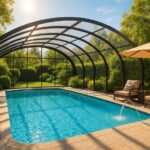
Imagine a serene swimming pool surrounded by a protective screen, where the air feels fresher and your skin is free from irritants. Pool enclosures don’t just keep debris out; they actively reduce allergens, creating a more enjoyable swimming experience. Curious about how these structures can transform your backyard oasis into a healthier environment? Let’s explore the benefits they offer for allergy sufferers and overall air quality.
Understanding Allergens Around Swimming Pools
When you’re enjoying a swim, it’s important to be aware of common outdoor allergens like pollen and dust that can enter the pool area.
These irritants not only affect your comfort but can also lead to issues like mold and mildew growth.
Understanding how these allergens infiltrate your space helps you create a healthier environment for swimming.
Common Outdoor Allergens That Affect Swimmers
As you enjoy a swim on a warm day, outdoor allergens can sneak in and disrupt your experience. Common allergens like pollen from trees, grasses, and weeds might trigger respiratory discomfort, making it harder to relax.
Dust mites lurking in outdoor areas can worsen your allergy symptoms, emphasizing the need for a clean pool environment. Additionally, mold spores thrive in humid conditions, creating allergy triggers, especially in shaded spots near the pool.
Insects like mosquitoes and flies can carry irritants that affect your comfort. Finally, airborne pollutants, such as smoke and vehicle emissions, can compromise air quality around your swimming area.
A pool enclosure can effectively minimize these allergens, helping you enjoy a cleaner, healthier swim.
How Pollen and Dust Enter the Pool Area
Outdoor allergens like pollen and dust can easily infiltrate your pool area, affecting both air quality and water cleanliness.
When the wind blows, it carries these airborne allergens straight into your space, contaminating the water and diminishing your swimming experience.
Open spaces around your pool allow these particles to accumulate, making the environment less pleasant and increasing your cleaning efforts.
Uncovered pools tend to gather more debris, which can harbor allergens and further degrade air quality.
This not only complicates maintenance but also elevates chemical usage to keep your pool clean.
The Impact of Mold and Mildew Growth
Mold and mildew can pose considerable challenges around swimming pools, especially in damp environments where they thrive. When left unprotected, these fungi can flourish, increasing allergens in the air and affecting your overall air quality.
However, a pool enclosure can considerably reduce moisture levels by blocking rain and humidity from entering the area. This helps inhibit mold and mildew growth, creating a healthier swimming environment.
By minimizing your exposure to mold spores, you can alleviate allergy symptoms and enjoy your pool more comfortably. Regular cleaning and maintenance of the enclosure further prevent buildup, ensuring that your pool area remains a safe space for everyone.
Protecting your pool not only enhances enjoyment but also promotes better air quality for all swimmers.
How Pool Enclosures Reduce Allergen Exposure
Pool enclosures effectively block pollen and airborne particles, creating a cleaner swimming environment.
They also reduce dust and debris around the pool, making it more enjoyable for those with allergies.
Plus, by enhancing ventilation, these enclosures help minimize mold formation, ensuring a healthier space for everyone.
Blocking Pollen and Airborne Particles
When it comes to enjoying your swimming area, a pool enclosure can make a significant difference by blocking pollen and airborne particles. This physical barrier effectively filters out allergens, like pollen and dust, ensuring you breathe cleaner air while you swim.
The fine mesh screens used in enclosures keep irritants at bay, creating a controlled environment that’s perfect for those with sensitivities. By reducing allergen exposure, you’ll likely notice fewer allergy symptoms, allowing you to enjoy outdoor activities without discomfort.
Plus, you’ll spend less time relying on allergy medications. Overall, a pool enclosure not only enhances your swimming experience but also promotes better respiratory health, making your time by the pool much more enjoyable.
Reducing Dust and Debris Around the Pool
While enjoying your time by the water, having a pool enclosure can greatly reduce the amount of dust and debris that enters the area.
By acting as a barrier, it effectively blocks leaves, twigs, and other outdoor pollutants, which means you spend less time cleaning and more time swimming.
This reduction in debris not only keeps your pool looking great but also helps maintain cleaner air around the pool, creating a healthier environment for everyone.
Less frequent cleaning means fewer dust particles and allergens get stirred up, making it especially beneficial for those with allergies or respiratory issues.
In short, a pool enclosure enhances your swimming experience by greatly reducing debris and promoting cleaner air.
Minimizing Mold Formation Through Ventilation
By enhancing air circulation, a pool enclosure effectively minimizes mold formation, which is essential for maintaining a healthy swimming environment.
With improved ventilation, moisture stagnation is reduced, making it harder for mold to thrive. Properly designed enclosures allow for natural airflow while controlling humidity levels, further decreasing the risk of mold growth.
This proactive approach not only keeps the pool area cleaner but also reduces allergens like mold spores and dust mites. By filtering out airborne debris, enclosures create a safer space for you and your loved ones.
Ultimately, the combination of effective ventilation and moisture management contributes to a healthier atmosphere, ensuring that your swimming experience remains enjoyable and allergy-friendly.
Improving Air Quality with Enclosures
With a pool enclosure, you create a cleaner swimming environment that considerably reduces chemical odors and irritation.
By controlling humidity and temperature, you not only enhance comfort but also improve the overall air quality.
This means you can enjoy your time by the pool without worrying about allergens or unpleasant smells.
Creating a Cleaner Swimming Environment
When you invest in a pool enclosure, you’re not just enhancing safety; you’re also creating a cleaner swimming environment.
These enclosures act as a barrier against airborne allergens like pollen, dust, and debris, greatly reducing irritants in your pool area. By preventing outdoor pollutants from entering, enclosures enhance air quality, making it safer and more comfortable for everyone, especially those with respiratory issues or allergies.
The controlled environment allows for improved air circulation, which helps filter out allergens and contributes to a healthier atmosphere. Additionally, by minimizing mold and mildew, pool enclosures create a more enjoyable swimming experience, leading to fewer allergy symptoms and better respiratory health for you and your loved ones.
Reducing Chemical Odors and Irritation
Although it’s easy to overlook, the air quality around your pool can greatly impact your swimming experience, especially when it comes to chemical odors and irritation.
Pool enclosures notably reduce the entry of debris and contaminants, leading to less reliance on harsh chemicals for maintenance. By minimizing the need for chlorine and other chemicals, you can enjoy a more pleasant swimming environment with fewer strong odors that can affect your air quality.
Additionally, these enclosures enhance air circulation, filtering out pollutants and ensuring cleaner air around the pool area.
Ultimately, by focusing on reducing chemical irritants, you create a healthier and more enjoyable atmosphere, making each swim more invigorating and comfortable for everyone.
Better Humidity and Temperature Control
By creating a controlled environment, pool enclosures effectively manage humidity and temperature, enhancing overall air quality.
With proper humidity control, they considerably reduce the chances of mold and mildew growth, which can harm air quality. Enclosures limit outdoor air exposure, stabilizing temperature fluctuations and creating a more comfortable atmosphere around your pool. This not only makes swimming more enjoyable but also helps those with allergies or respiratory issues breathe easier.
Additionally, many enclosures feature ventilation systems that improve air circulation, preventing stagnant air and further enhancing air quality.
Health Benefits for Swimmers
When you swim in a pool enclosed by a protective barrier, you’ll notice fewer allergy symptoms, allowing for a more enjoyable experience.
This safe environment is especially beneficial for children and those with sensitivities, letting everyone join in without worry.
Plus, you can swim comfortably year-round, regardless of outdoor allergens.
Fewer Allergy Symptoms While Swimming
As you plunge into the revitalizing water of your enclosed pool, you’ll likely notice fewer allergy symptoms than when swimming outdoors. The protective barrier of the enclosure keeps airborne allergens like pollen and dust at bay, markedly reducing your exposure.
With a fine mesh design, the enclosure filters out irritants, making your swimming experience much more enjoyable. You might find yourself sneezing less and experiencing fewer itchy eyes, all while getting the fresh air you need.
This improved air quality is especially beneficial if you have respiratory issues like asthma, as it minimizes triggers that can lead to discomfort. Overall, swimming in an enclosed pool promotes better lung function and enhances your overall wellness.
Enjoy your time in the water!
Safer Swimming for Children and Sensitive Individuals
Swimming in an enclosed pool not only alleviates allergy symptoms but also guarantees a safer environment for children and individuals with sensitivities.
By creating a barrier against airborne allergens like pollen and dust, pool enclosures greatly reduce exposure, ensuring that everyone can enjoy their swim without worry. Improved air quality within this controlled space helps lessen the risk of asthma attacks and allergic reactions, promoting safer swimming experiences.
Additionally, enclosures keep pesky insects, such as mosquitoes, out, minimizing the chance of bites that could lead to allergic responses. With enhanced air circulation, pollutants are filtered out, contributing to a healthier atmosphere.
Enhanced Comfort for Year-Round Use
A pool enclosure transforms your swimming experience by providing enhanced comfort for year-round use.
By effectively blocking allergens like pollen and dust, it creates a cleaner environment that promotes better respiratory health. This means you can enjoy longer swimming sessions without experiencing allergy symptoms.
With improved air quality, you’ll breathe easier, allowing you to relax and fully enjoy your time in the pool. The controlled environment minimizes the risk of seasonal allergies, making your swimming area a haven for relaxation and exercise.
Enhanced comfort from cleaner air encourages you to swim more frequently, boosting your physical activity and overall well-being.
Embrace the benefits of a pool enclosure and make every swim a revitalizing escape.
Additional Features That Support Clean Air
To enhance the clean air benefits of your pool enclosure, consider integrating air filtration systems, using UV-protected panels, and maintaining proper ventilation design.
These features work together to further reduce allergens and improve air quality, making your swimming experience even more enjoyable.
Integrating Air Filtration Systems
While enjoying your pool, integrating air filtration systems can greatly enhance your experience by reducing airborne allergens.
These advanced systems can remove up to 99% of particulate matter, ensuring cleaner air around your swimming area. Equipped with HEPA filters, they effectively trap microscopic allergens like pollen and dust, minimizing allergy-related symptoms and discomfort.
Regular maintenance of these air filtration systems guarantees peak performance, providing continuous protection against allergens year-round. Not only do they improve respiratory health, but they also lower overall indoor air pollution levels, creating a healthier and more pleasant outdoor space.
Using UV-Protected Panels
When you opt for UV-protected panels around your pool, you’re not just enhancing safety; you’re also greatly improving air quality.
These panels effectively block harmful UV rays while letting natural light filter through, reducing the risk of skin damage. By limiting the entry of airborne allergens like pollen and dust, they create a cleaner environment, making swimming more enjoyable for those with respiratory sensitivities.
Additionally, UV-protected panels help maintain the effectiveness of pool chemicals, minimizing the need for harsh substances that could negatively impact air quality. Their design enhances air circulation, further filtering out pollutants and allergens.
With these features, you guarantee a balanced indoor-outdoor atmosphere, keeping pests at bay while enjoying fresh air.
Maintaining Proper Ventilation Design
Incorporating proper ventilation design in your pool enclosure greatly enhances air quality, complementing the benefits of UV-protected panels. Effective ventilation circulates air, ensuring stale air is replaced with fresh, reducing allergens like pollen and dust.
By adding mesh panels, you filter out airborne irritants, promoting respiratory health within the space. Adjustable ventilation features let you control airflow, optimizing fresh air intake while maintaining comfortable temperatures.
Strategically placed vents help minimize humidity, reducing the risk of mold and mildew that can compromise air quality. Additionally, utilizing natural light in your design enhances ambiance and encourages healthy air circulation, creating a more inviting and clean swimming environment for you and your family.
Maintenance Practices for Allergen-Free Swimming
To keep your swimming area allergen-free, you’ll want to prioritize routine cleaning of the enclosure.
Check for any mold or mildew growth, as these can compromise air quality.
Also, guarantee that your filters and systems are in good condition to maintain a healthy environment for everyone.
Routine Cleaning of the Enclosure
Maintaining a clean pool enclosure is essential if you want to enjoy an allergen-free swimming experience. Routine cleaning of the enclosure minimizes dust, pollen, and debris that can trigger allergies.
Use a gentle, non-toxic cleaner to wipe down surfaces and screens, ensuring you don’t introduce harmful chemicals into your pool environment. Regularly inspect the mesh screens for tears or holes, as these can compromise air quality by allowing allergens to enter.
Schedule routine inspections and cleanings to keep allergens at bay, and consider using a vacuum or leaf blower to clear larger debris from the enclosure and surrounding area.
With consistent maintenance, you’ll create a healthier swimming atmosphere for everyone.
Checking for Mold or Mildew Growth
Regular upkeep of your pool enclosure includes checking for mold or mildew growth, which can thrive in damp areas.
Inspect corners and spots where moisture accumulates to catch any issues early. If you find mold, use a mixture of water and vinegar or a commercial mold remover to clean affected surfaces, keeping allergens at bay.
Proper ventilation is essential; it helps reduce humidity levels, preventing mold from taking hold. During high humidity seasons, consider using a dehumidifier in the enclosed area to inhibit mold growth further.
Keeping Filters and Systems in Good Condition
While enjoying your pool, keeping filters and systems in good condition is essential for ensuring allergen-free swimming.
Regularly clean and replace your pool filters to effectively capture allergens like pollen and dust, maintaining ideal air quality around your pool screen enclosure.
Schedule routine maintenance for your pool circulation systems to prevent stagnation, which can increase allergens and reduce air quality.
During off-seasons, use high-quality, allergen-reducing pool covers to minimize debris accumulation.
Implement a consistent cleaning schedule for your enclosure’s surfaces to avoid dust and mold buildup, which can harm indoor air quality.
Finally, consider investing in air filtration systems within the enclosure to further reduce airborne allergens, creating a healthier swimming environment for everyone.
Conclusion: Breathe Easier with a Pool Enclosure
When you invest in a pool enclosure, you’re not just enhancing your swimming area; you’re also creating a healthier environment that allows you to breathe easier.
With a protective barrier in place, you can greatly reduce exposure to airborne allergens like pollen and dust. This means you’ll breathe cleaner air while enjoying your time outdoors.
The enclosure also enhances safety by keeping out insects that can introduce additional allergens, ensuring a more comfortable experience.
Plus, improved air circulation within the enclosed space lowers dust accumulation, contributing to better respiratory health.
In short, a pool enclosure nurtures a cleaner, healthier atmosphere, allowing you to enjoy your pool time without the worry of allergies or irritants.
Conclusion
With a pool enclosure, you can transform your swimming experience from sneezing and discomfort to invigorating and enjoyable. While allergens lurk outside, your enclosed oasis offers a gust of clean air, free from pollen and dust. You’ll not only swim with ease but also embrace cleaner air, reducing the need for harsh chemicals. So, why let allergies hold you back? Immerse yourself in the benefits of an enclosure and breathe easier while making a splash this season!



 Benjamin3550 says:
  Piper805 says: